Knowledge freely accessible. Mastery individually pursued. Discovery independently or collectively advanced.
I keep coming back to a question: what if anyone could follow an interest all the way to the frontier of human knowledge, then find others who care about the same question?
The internet made information accessible. AI might make the path to expertise easier to navigate. But understanding an explanation is not mastery, and mastery is not necessarily a contribution.
Our education system provides essential foundations and breadth. My hypothesis is that standardised pacing and limited personal guidance leave too much human potential unexplored. I want to explore a learning environment that respects both what cognitive science tells us about learning and what technology now makes possible.
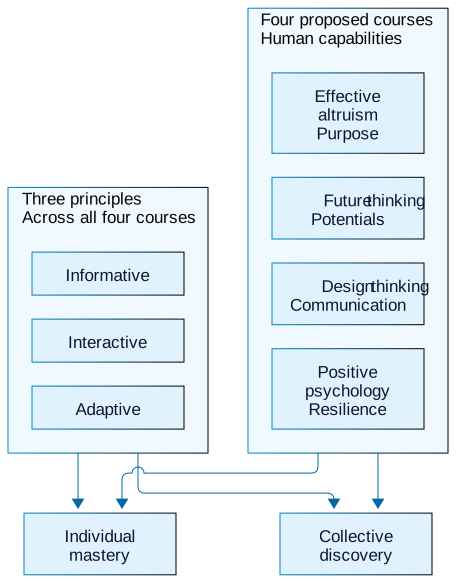
Two dimensions, not a hierarchy
Four pillars — human capabilities
These are four capabilities a learner can develop within a single project. The course ideas below are possible ways to practise them.
| Proposed course | Human capability | Guiding question |
|---|---|---|
| Effective altruism | Purpose | What is worth pursuing? |
| Future thinking | Potentials | What could be different? |
| Design thinking | Communication | How can we understand one another? |
| Positive psychology | Resilience | How do we persist, recover and adapt? |
Effective altruism connects personal interests with social responsibility. Future thinking, inspired by the Institute for the Future, combines alternative futures with first-principles reasoning. Design thinking matters to me chiefly as communication: articulating assumptions, listening, making ideas tangible and creating shared understanding. Positive psychology concerns durability—persistence without rigidity, and the flexibility to recover from setbacks or change course.
Three principles — the learning experience
| Principle | Promise |
|---|---|
| Informative | Know where you came from, where you are and where you could go. |
| Interactive | Act, observe feedback and revise. |
| Adaptive | Let the experience evolve with the learner. |
These are independent dimensions. The four pillars concern human development; the three principles concern experience design. None of the principles belongs under a particular pillar.
A world you can navigate
A good game gives its players something many students never receive: a map of possibilities. A character’s history, present abilities and skill tree make meaningful choices visible. Informative is about this orientation, not simply supplying facts.
A conversation between Professor Yitang Zhang and Professor Chenjian Li made me reconsider where this map should begin. Professor Zhang spoke of having to earn a living while carrying a question that might take more than a lifetime to answer. When a line of enquiry stalls, it can be worth going back to see where another turn was possible. Professor Li spoke about teaching each child according to their needs, and how fortunate a child can be to meet a good teacher. (1)
I had imagined starting with what someone knows and showing what they might learn next. I would now put the distant question on the map too. A child might wonder about a blank patch on a star chart long before they know to ask how faint a star the telescope could detect. Today they might only learn to read the key. They can keep the question and come back to it.
That leaves a practical question about who gets to follow an interest very far. A paper can be freely available while telescope time is scarce. A beginner who has downloaded the data may still need someone to sit with them over the first plot. I would like a learner to be able to find a dataset they can analyse, someone willing to look over an attempt, or a way to apply for observing time. They could then work alone for as long as they wished and seek company when it helped.
Interactive is what happens when a player acts and the world pushes back. Experiments, questions, practice and conversation produce feedback. Adaptive changes the available challenge and support as the learner grows, without taking away their agency.
I picture this through the interconnected forests of James Cameron’s Avatar. Imagine following illuminated paths through a living map of knowledge. Each path represents an interest; distant branches suggest unexplored fields. You test an idea. The world responds. Another traveller arrives at the same question by a different route.
You have common ground, but different experiences and assumptions. What if those differences were legible? Instead of immediately debating conclusions, you could understand where each person’s view came from. Difference might then prompt curiosity and empathy, not merely disagreement.
The forest is an illustration, not a governance model. AI is not Eywa. No central intelligence gets to determine everyone’s purpose or certify truth. People decide what to share. Claims retain sources, uncertainty and room for challenge.
From personal curiosity to collective knowledge
Shared interests help us find one another. Complementary knowledge and divergent perspectives help us think.
An AI companion could help me learn a field, recognise open questions, find willing collaborators and communicate across different mental models. It could also help me contribute alone. Neither research nor collaboration should require institutional affiliation.
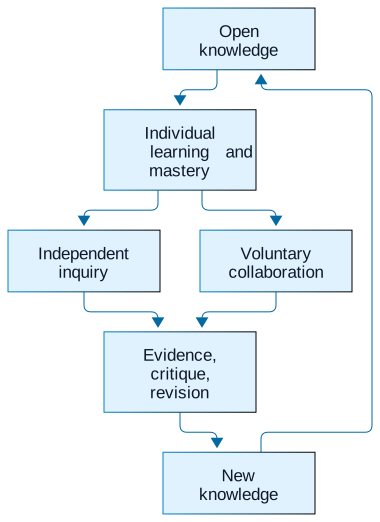
A contribution might be a discovery, a replication, a correction, a useful tool or a clearer explanation. The commons grows only when new claims can be examined, not merely generated.
Learning science before learning ideology
A conversation with Thomas sharpened a useful challenge: the philosophy is not a teaching method. Interactive learning does not mean unguided discovery.
Novices may need explicit instruction and worked examples to manage cognitive load. Generative learning—explaining, retrieving, drawing or teaching—can make that knowledge durable. Deliberate practice, spaced repetition, habits and protected concentration help support mastery. Open-ended projects become more valuable when students have the knowledge and guidance to learn from them.
The evidence should inform the method. I am interested in Bloom’s tutoring research, the Learning Scientists, Fiorella and Mayer’s generative learning, Ericsson’s deliberate practice, and practical approaches such as Khan Academy, Smartick, Kumon and Barbara Oakley’s Learning How to Learn. Cal Newport’s Deep Work adds a useful reminder: attention is a resource.
I am cautious about treating growth mindset as a proven intervention for resilience; its effects remain contested. Likewise, design thinking is my proposed communication pillar, not a claim that discovery-based pedagogy always works.
What I would test
One potential starting point is ages 12–14—an age at which young people may begin to ask who they are and what they want to become. That developmental “blink of self-realisation” is a hypothesis, not an established universal stage.
Learners in a small trial could pursue their own questions, alone or together. Both groups would have the same materials and guidance. One would use a knowledge map and the other a plain index. I would test:
- Learning: delayed recall, independent reconstruction and transfer to unfamiliar problems—not just satisfaction.
- Agency: after a few weeks, can learners explain unaided what they want to find out, what they still need and what they would try next? I would also ask them about the questions they set aside. Which did they choose to leave for later? Which slipped from view as they worked through the smaller tasks the system suggested?
- Collaboration: does understanding the origins of disagreement improve joint reasoning?
- Resilience: do learners persist thoughtfully, recover from setbacks and revise strategies?
- Economics: can personalised support improve durable learning per unit of time and cost?
AI-assisted personalisation may multiply effectiveness and broaden access. That remains to be demonstrated, including whether benefits survive without the tutor.
I would rather discover early where this model fails than spend years defending an elegant idea.
The ambition is simple: help anyone find a path into knowledge, and find others with whom to extend it.
Learning in a collaborative society
Education and the organisation of knowledge are part of how I imagine a collaborative society. Open access helps us begin. Shared questions, visible assumptions and examinable contributions help us work together while keeping our different experiences and judgements intact.
In Two people, a wider horizon, I explore this through two fictional collaborators. Their maps show common topics, different meanings and things each can learn from the other. They can align on a question without agreeing in advance on its answer.
Reading notes (not validation of the full model)
- Benjamin Bloom (1984), The 2 Sigma Problem — individual tutoring and mastery learning.
- Kirschner, Sweller & Clark (2006), Why Minimal Guidance During Instruction Does Not Work — cognitive load and novice guidance.
- Fiorella & Mayer, Learning as a Generative Activity — strategies for active learning.
- K. Anders Ericsson — deliberate practice; James Clear — habits; Cal Newport — Deep Work.
- The Learning Scientists; Barbara Oakley — Learning How to Learn.
- Institute for the Future; Open Learning Lab.
- To verify before publication: evidence for the 12–14 cohort, effects and limitations of growth mindset, Donald Clark’s critique of design thinking, and the costs of scalable tutoring.
Status: working hypothesis and article draft. Not a programme evaluation or an implementation claim.
Source context
(1) Professor Yitang Zhang and Professor Chenjian Li spoke on 21 February 2025 at a gathering of the Peking University Alumni Association of Northern California. I have paraphrased their remarks from the organiser’s account. Working backwards from an open question and helping learners find research resources are my own extensions of the model. Peking University alumni report, 14 March 2025 (in Chinese)
Editorial note: the Learning about Learning mind map (decoded with Mermaid diagrams, inline boundary notes, markers and all 13 original links from the 10 March 2023 XMind export) is served natively as source context. It brings together instructional design, explicit instruction, retrieval and spaced practice, peer and project-based learning, and the four proposed human capabilities. Its notes are a reading map, not a validation of this model. The article draws on the supplied draft and correspondence summary; the mind map is not a transcript of Thomas.
Related reading: Serendipity: where it sparks · Open Learning Lab.
开放知识,释放个体潜能;连接不同的智慧,拓展人类认知的边界。
如果一个人可以自由使用人类积累的知识,沿着兴趣一路走到尚无定论的地方,教育需要提供什么?互联网降低了获取资料的成本。AI 有机会进一步降低个别指导的成本。两者之间还隔着一个人亲自掌握知识的过程。再往前走,从学会一件事到为别人增加一点可靠的知识,还要经过检验。
无论到了什么年纪,人都可以顺着自己的好奇心继续学下去。这是我理解的终身学习。
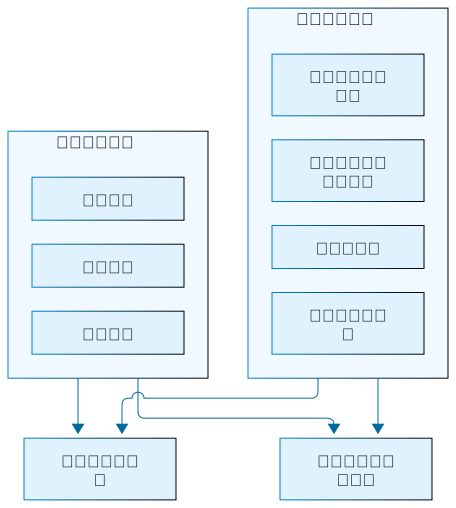
为这样的学习设计环境,要想清楚两个问题。四大支柱回答培养什么能力,三条原则回答怎样设计学习体验。
四大支柱:培养什么能力
四种能力可以贯穿同一个研究项目。表中的实践只是各选一例。
| 可借鉴的实践 | 核心能力 | 核心问题 |
|---|---|---|
| 有效利他 | 使命感与社会责任 | 什么值得追求?谁会从中受益,谁会承担代价? |
| 未来思维 | 第一性原理与未来想象 | 什么是可能的?哪些限制来自基本条件,哪些只是今天的惯例? |
| 设计思维 | 沟通与协作 | 怎样理解对方看问题的方式,建立共同理解? |
| 积极心理学 | 韧性与心智弹性 | 遇到变化和挫折,何时坚持,何时调整? |
我把设计思维放在这里,主要因为它给沟通提供了一种做法。两个人即使用同一个词,心里也可能有两套模型。请他们各自画出事情会怎样发生,再对照同一个例子,分歧才会显出来。共同理解可以很具体:我能准确说出你的判断在哪些条件下成立,你也能指出我的解释遗漏了什么。到了这一步,不同的本领才可能用在同一个问题上。这是我理解的集体智慧的起点。
三条原则:怎样设计学习体验
| 原则 | 学习者能做什么 |
|---|---|
| 清晰定向(Informative) | 让知识、能力与观点的来路和可能方向变得清晰可见。 |
| 主动交互(Interactive) | 提出预测,动手尝试,根据反馈修正判断。 |
| 动态适配(Adaptive) | 按已有知识调整挑战和帮助,自己决定下一步。 |
一张技能树可以告诉我接下来学什么。要和别人一道研究,地图上还需要另一类信息:我们各自看过什么证据,有过什么经历,在哪一步用了不同的假设。每个人自己决定公开哪些来路。当我能理解对方为什么那样想,即使仍有分歧,也更容易体会他的处境,找到值得一起检验的地方。
张益唐教授与李沉简教授的一次对谈,让我重新想了想这张地图该从哪里画起。张益唐教授谈到,做研究的人要谋生、找工作,也可以一直惦记一个也许一辈子都解不开的问题。一条思路走不通,有时得退回去,看看先前在哪一步还有别的选择。李沉简教授谈到因材施教,也说一个孩子能遇上一位好老师,是很幸运的事。〔1〕
我原先设想,一个人可以在地图上看见自己学过什么,接着还能学什么。现在我想把远处的问题也画进来。一个孩子可以先对星图上的一片空白感到好奇,过些时候才懂得问:这架望远镜能看见多暗的星?今天也许只学会读图例。那个更大的问题可以留着,等有了新的本领,再回来看。
我也因此更在意,谁有条件把一个问题追下去。论文可以公开,望远镜的使用时间却有限。数据可以下载,初学者仍可能需要有人陪着看第一张图。我希望开放学习也能让人找到这些机会:哪一份观测数据可以自己分析,哪里有人愿意指点一次,怎样申请使用设备。一个人可以独自做很久,也可以在需要时找到别人。
一个思想实验
想象《阿凡达》中潘多拉的生命网络。假如人类知识也能这样探索,每个人的兴趣、经历与判断都可以形成一条路径。共同的兴趣让我们相遇,不同的经历和观点让我们思考。
设想两个人都在解释一张星图上的空白。做模拟的人会问,模型是否高估了这一带的恒星数量?做观测的人则问,那些模型预言却没有观测到的暗弱恒星,有多大机会被望远镜发现?可以先在观测图像中加入不同亮度的模拟恒星,再用同样的方法寻找它们。根据找回的比例,就能估算模型预言的恒星中本应看见多少。如果这个数仍明显高于实测,探测能力的局限就不足以解释差异,值得回头检查模型的假设。
个人知识由自己掌握,公共知识由证据支撑。 AI 可以从学习者愿意分享的经验出发,梳理可走的学习路径,找到知识互补的合作者,再把经得起复查的贡献连回公共知识。走哪条路、同谁合作、证据是否充分,仍由人判断。一个人也可以独自研究,公开一份复现记录或一处纠错,让别人接着做下去。
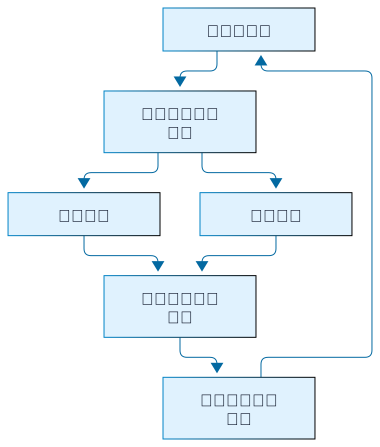
在互动短篇 Two people, a wider horizon 中,两位虚构的合作者可以先辨认对方的来路,再决定是否共同研究一个问题。这个演示用来说明机制。理解分歧能否改善合作,仍是需要测试的假设。
教学依据与设计假设
初学者还不熟悉解题步骤时,教师可以把判断过程讲清楚,示范一道例题,再让学习者尝试。这是明确讲授(explicit instruction)。Engelmann 等人开发的 Direct Instruction 则是一套对教学顺序、示例和纠错方式都有具体设计的教学体系。
学过一段材料,试着把其中的关系画出来,或用自己的话解释为什么成立,是生成式学习:任务在于组织新知识,并把它同已有知识联系起来。合上书,凭记忆重建刚才的解释,是提取练习;对照原文,可以发现自己漏掉了什么。同一项任务可以兼有这两种作用。刻意练习则要求先找出一项具体弱点,设定明确的改进目标,依据有针对性的反馈反复调整。间隔练习说的是时间安排:隔一段时间再回来练。
这些研究能指导具体选择。它们能否在同一个开放学习环境里配合得好,则是我的设计假设。设计思维在这里服务于沟通,初学者需要多少引导仍应按任务决定。成长型思维对韧性的影响也有争议。布鲁姆的个别辅导研究值得参考,但 AI 辅导能带来多大收益、花费多少,还得重新测量。
如何验证,何时扩展
第一次小规模试验可以从十二到十四岁的学习者开始。有些人在这时开始追问自己想成为什么样的人。选这个年龄段是一项招募策略,它是否合适,本身就有待验证。往后还需要在其他人生阶段检验同样的问题。
试验可以从学习者自己选的一个问题开始,两组使用同样的材料,得到同样的指导,都可以独立探索或自愿合作。一组使用知识地图,另一组用一页简单的索引。我关心五项观察:
- 学习:撤去辅导,隔一段时间,能否独立重建思路,并用在陌生问题上?
- 自主:几周后,学习者能否独立说清自己要追问什么、还缺什么、准备怎样试一试?我也想请他们回看搁下的问题。哪些是自己决定放一放的?哪些是在接连做了系统推荐的小任务后,渐渐忘了的?
- 合作:了解分歧的来源后,能否发现原先遗漏的解释,或提出更能区分不同解释的检验?
- 韧性:遇到挫折,能否判断什么时候值得坚持,什么时候需要换一种策略?
- 成本:把学习者的时间和辅导费用算进去,每单位投入能换来多少持久的学习?
先验证假设,再决定如何扩展。如果学习者在有人提示时表现很好,撤去帮助便无法独立推理,那么首先该改的是指导方式。如果各人都学有所获,合作却没有改善,就应单独检查:地图呈现的究竟是大家学过哪些话题,还是足以让人理解彼此判断的依据?
阅读参考(并非对整套设想的背书)
- Benjamin Bloom (1984),The 2 Sigma Problem —— 个别辅导与精熟学习(mastery learning)。
- Kirschner、Sweller & Clark (2006),Why Minimal Guidance During Instruction Does Not Work —— 认知负荷与初学者所需的引导。
- National Institute for Direct Instruction —— Engelmann 等人开发的教学体系。
- Roediger 与 Karpicke(2006) —— 阅读材料后进行自由回忆与重复阅读,在延迟测验中的比较。
- Fiorella & Mayer,Learning as a Generative Activity —— 促进主动建构的生成学习策略。
- K. Anders Ericsson —— 刻意练习;James Clear —— 习惯养成;Cal Newport —— 《深度工作》(Deep Work)。
- The Learning Scientists;Barbara Oakley —— 《学习之道》(Learning How to Learn)。
- Institute for the Future(未来研究院);Open Learning Lab。
- 刊布前仍待核查之处:12–14 岁群体的实证依据、成长型思维的效应边界与局限、Donald Clark 对设计思维的批评,以及可规模化辅导的真实成本。
状态说明:本文为工作假设与写作草案,并非已经落地的办学项目评估,也不构成实际成效的声明。
来源与延伸阅读
〔1〕张益唐教授与李沉简教授于 2025 年 2 月 21 日在北京大学北加州校友会对谈。上文据主办方的记述转述两位的发言。从开放问题倒推学习路径、让学习者找到研究资源,是我受这次对谈启发后对模型所作的修订。北京大学校友网活动记述,2025 年 3 月 14 日
这份中文修订稿沿用英文草案的框架,展开了知识来源、共同理解和检验方法。星图是为说明模型设计的思想实验。写这篇草案时,我参考了早先的草稿和与 Thomas 通信的摘要。2023 年 3 月的学习导图 则记录了我当时在读什么,想到哪些问题。现在可以在站内查看图示、批注和原有的 13 条链接。它保留的是阅读线索。要判断这里提出的教法有没有用,还需要另外的研究。
延伸阅读:偶然的火花(Serendipity: where it sparks) · Open Learning Lab · 我对未来教育的期待(中文简述)。